

Seasonal Timing for Moving Trees
Moving a tree from one place to another can seem like a daunting task. The timing plays a crucial role in ensuring the process is smooth and successful. There are certain times of the year that are ideal, giving trees the best chance to thrive in their new location. Understanding these factors can make a significant difference in the health and growth of your trees.

Why Timing Matters for Tree Health
The time of year you choose to move a tree can greatly impact its survival rate. Trees have different needs depending on the season. When done at the right time, transplanting helps minimize stress and ensures better adaptation to new surroundings. For instance, moving them during cooler months allows roots to establish before the heat of summer. This strategic approach reduces shock and promotes healthy growth.
Ideal Seasons for Plant Transitions
The best seasons for moving trees are typically fall and early spring. During these periods, trees are either preparing for dormancy or just coming out of it. With limited leaf growth during these times, trees focus their energy on root development. As such, tree transplanting is more effective when trees are less concerned with supporting foliage, allowing roots to take hold more successfully.
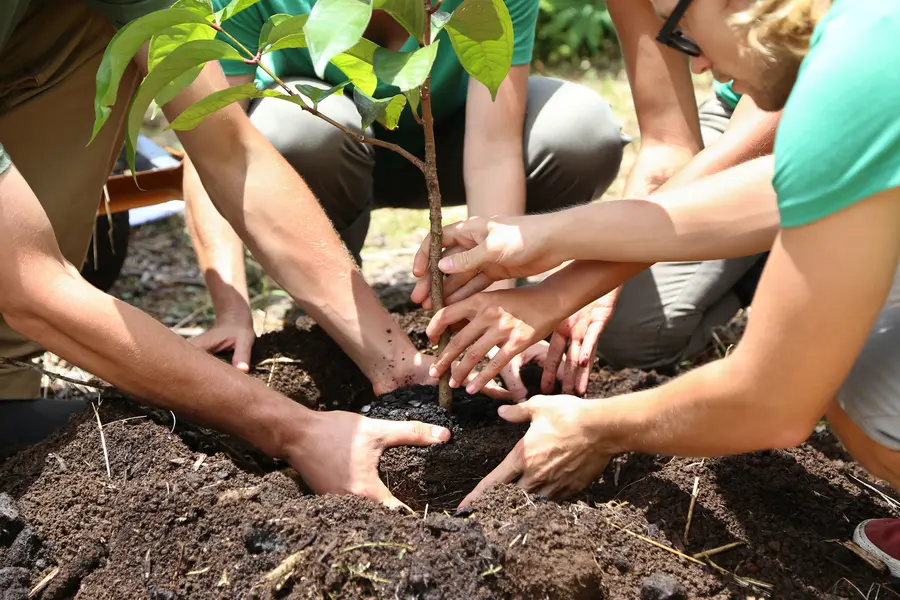
Tree Transplanting: A Step-by-Step Guide
- Select the right tree and plan its new location carefully.
- Ensure the tree is well-watered before moving day.
- Dig up the tree, keeping as much of the root system intact as possible.
- Place the tree in its new hole at the correct depth.
- Backfill with soil and water thoroughly to eliminate air pockets.
- Regularly water and monitor the tree’s progress after planting.
Common Challenges Faced During Relocation
Several challenges may arise when relocating trees. These include root damage, dehydration, and improper handling. If not addressed, these issues could lead to reduced growth or even the death of the tree. Therefore, understanding common pitfalls is essential to ensure success. Planning each step carefully and taking preventive measures can mitigate most potential problems.
Expert Tips for Optimal Results
- Avoid moving trees during extreme weather conditions such as high heat or heavy frost.
- Use mulch around the base of the transplanted tree to retain moisture.
- Prune dead branches before moving to reduce stress on the tree.
- Consider professional help if you’re unsure about any step in the process.
Cost Considerations in Tree Moving Projects
The cost of moving a tree depends on several factors, including size, distance, and required equipment. While there may be upfront costs, investing in proper techniques ensures long-term tree health and reduces future maintenance expenses. Weighing these factors against potential benefits helps justify initial expenditure. Proper planning minimizes unexpected additional costs.
Your Next Steps for Tree Success
If you’re considering a project like this, now is a great time to plan effectively. Our team at Sarasota FL Tree Service is ready to assist with expert guidance tailored to your needs. Whether you’re located in Sarasota, FL or elsewhere, our services are designed to support your efforts every step of the way. Reach out at (941) 213-1785 to discuss how we can help ensure your project’s success.