

A Detailed Guide for a Smooth Transition
Moving a tree from one location to another is a delicate procedure. It requires careful planning and execution to ensure the tree remains healthy and continues to thrive in its new home. This guide will walk you through the steps of the process, from preparation to post-transplant care. By understanding these key elements, you’ll be better equipped to manage tree transplants successfully.
Initial Assessment and Planning
The first step in moving a tree is an initial assessment. Professional arborists will evaluate the tree’s health, size, and species to determine if it is suitable for relocation. They consider environmental factors such as soil conditions, climate compatibility, and nearby structures. These evaluations help plan the transplant process effectively.
Preparing the New Location
Before moving the tree, prepare the new site thoroughly. The soil must be well-drained and rich in nutrients. Dig a hole that matches the root ball’s size but is slightly wider to allow for root expansion. Good site preparation ensures that the tree has everything it needs to establish itself quickly after being transplanted.
The Digging and Moving Phase
Tree transplanting begins with digging around the tree’s root system. A trench is dug to expose the roots without damaging them. The tree is then carefully lifted using specialized equipment. This phase requires precision and care to avoid stressing or harming the tree during its move.
Planting at the New Site
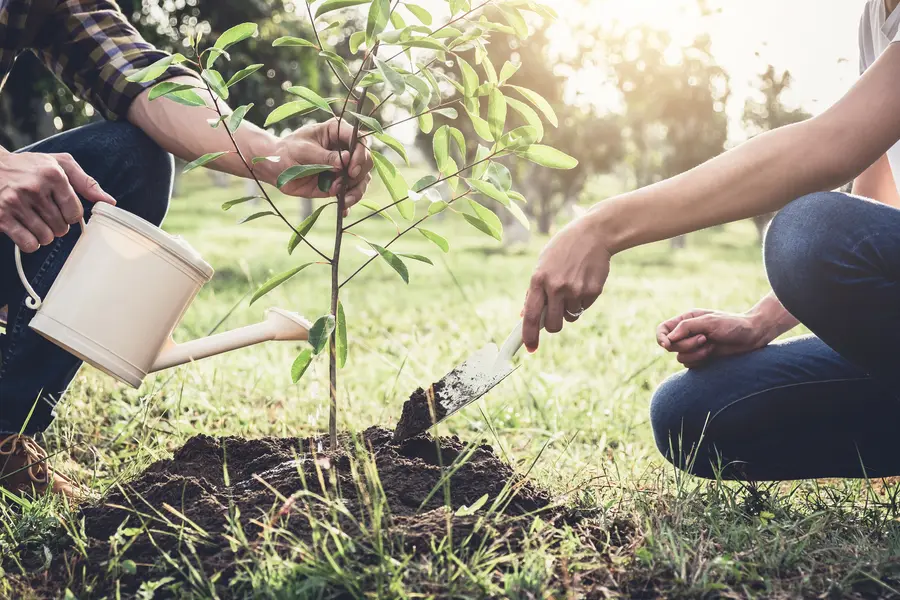
Once moved, it’s important to plant the tree in its new spot promptly. Position the tree so that it sits at the same depth as before. Backfill with native soil while ensuring no air pockets remain around the roots. Water deeply to settle the soil and provide moisture for recovery.
Post-Transplant Care Essentials
Caring for the tree after transplanting is crucial. Ensure regular watering, especially during dry spells, to keep the soil moist but not waterlogged. Mulch can help retain moisture and regulate soil temperature. Regular monitoring will detect any signs of stress or disease early on.
- Water deeply once a week
- Check soil moisture regularly
- Apply mulch around the base
- Inspect for pests or diseases
Benefits of Proper Transplanting Techniques
A successful transplant offers numerous benefits. Trees can enhance landscape aesthetics, create shade, improve air quality, and increase property value. When done correctly, transplanting allows mature trees to continue providing these advantages in a new setting.
Challenges You May Face
Transplanting trees poses several challenges. Root damage during lifting, incorrect planting depth, and inadequate post-care are common issues. These can lead to transplant shock, where a tree struggles to adapt to its new environment. Awareness of these challenges helps in taking preventive measures.
Cost Considerations and Value
The cost of tree transplanting varies based on several factors including tree size, distance moved, and site preparation requirements. While upfront costs may seem high, professional services ensure long-term success and save money by reducing potential losses from failed transplants.
Final Thoughts on Successful Tree Transitions
Effective tree relocation requires meticulous planning and skilled execution. By following best practices and seeking professional help when necessary, you can enjoy thriving trees in your landscape for years to come. Located in Sarasota, FL, our team stands ready to assist you with expert support. Contact Sarasota FL Tree Service today at (941) 213-1785 for all your tree care needs.